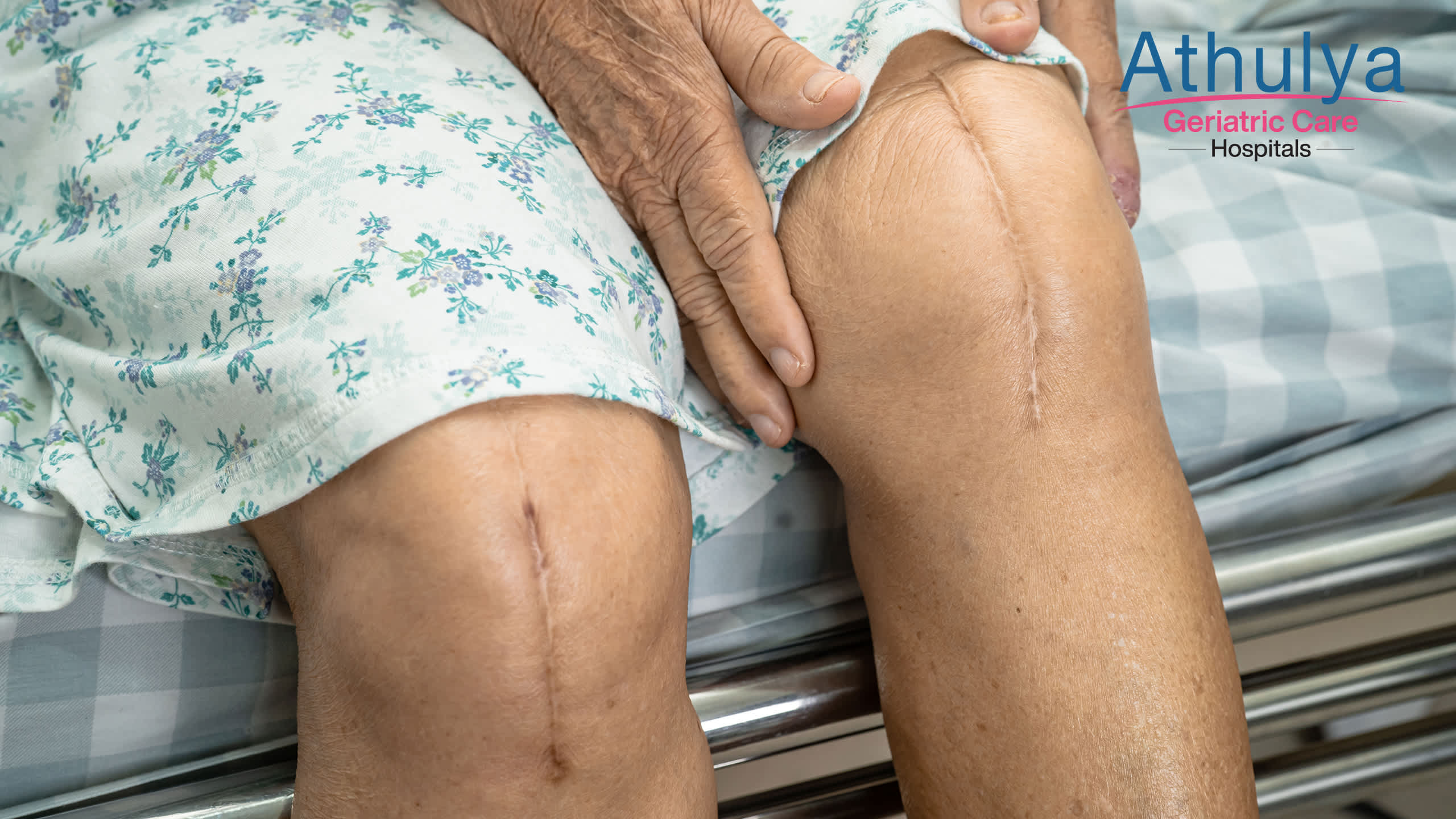
Robotic Knee Replacement: Is It Right for Seniors?

Knee pain is common among older adults, and for some seniors with advanced knee arthritis, knee replacement surgery may become an option when pain and reduced mobility significantly affect daily life. With advances in orthopaedic technology, Robotic Knee Replacement has emerged as a technology-assisted approach to knee replacement surgery.

But is robotic knee replacement right for every senior?

The answer depends on several factors, including the severity of knee damage, overall health, mobility, medical conditions and the assessment of the orthopaedic team.

What Is Robotic Knee Replacement?

Robotic knee replacement is a technology-assisted form of knee replacement surgery. It uses advanced imaging and computer-assisted technology to help the surgeon plan the procedure and guide bone preparation and implant positioning.

Importantly, the robot does not replace the surgeon. The orthopaedic surgeon remains responsible for planning and performing the procedure, while the technology provides additional information and precision during surgery.

Potential Benefits for Seniors

For older adults undergoing knee replacement, accurate surgical planning and appropriate implant positioning are important considerations. Robotic-assisted technology can help the surgical team create a more personalised surgical plan based on the individual’s knee anatomy.

Depending on the patient’s condition and surgical plan, robotic knee replacement may offer benefits such as:

  • Detailed pre-operative planning
  • Technology-assisted surgical precision
  • Personalised planning based on individual knee anatomy
  • Assistance with implant positioning and alignment
  • Support for a more structured surgical approach

However, robotic technology does not automatically mean that every senior is a candidate or that recovery will be the same for everyone.

Is Robotic Knee Replacement Suitable for Every Senior?

Not necessarily. The decision to undergo robotic knee replacement surgery should be based on a comprehensive evaluation.

For seniors, doctors may consider the extent of arthritis, bone quality, muscle strength, mobility, existing medical conditions, medications and overall functional status.

Also Read: Life After Knee Replacement: Walking, Climbing Stairs and Returning to Everyday Activities

Conditions such as diabetes, heart disease or other chronic illnesses may also need to be appropriately evaluated and managed before surgery.

This is where geriatric orthopaedic care can be particularly valuable. Looking at the senior as a whole helps the healthcare team plan care around both the knee condition and the individual’s overall health.

The Importance of Rehabilitation After Knee Replacement

Surgery is only one part of the knee replacement journey. Rehabilitation and physiotherapy are important for helping seniors work towards improved mobility and functional independence after surgery.

A personalised rehabilitation programme may focus on strength, balance, range of motion, walking and everyday activities. Nutrition, medication management and appropriate medical monitoring can also form part of comprehensive senior care.

Robotic Knee Replacement at Athulya Geriatric Care Hospitals

At Athulya Geriatric Care Hospitals, knee replacement care for seniors is supported by a senior-focused healthcare approach. The care journey can bring together orthopaedic expertise, geriatric assessment, physiotherapy, rehabilitation and other supportive services based on the individual’s needs.

For seniors considering robotic knee replacement in Chennai, the first step is a detailed consultation with an orthopaedic specialist. Your doctor can assess your knee condition, overall health and functional goals and determine whether robotic-assisted knee replacement is an appropriate option.

Making the Right Choice for Your Knee

Robotic knee replacement is an important advancement in modern orthopaedic care, but technology is only one part of the decision. For seniors, the right treatment should consider the knee, overall health, mobility, lifestyle and goals together.

If knee pain is affecting your ability to walk, climb stairs or enjoy everyday activities, speak with an orthopaedic specialist to understand your treatment options.

Frequently Asked Questions

What is robotic knee replacement?

Robotic knee replacement is a technology-assisted surgery that helps surgeons plan the procedure and improve precision in bone preparation and implant positioning.

Is robotic knee replacement suitable for seniors?

It may be suitable for some seniors, depending on their knee condition, overall health, mobility and medical history.

What are the benefits of robotic knee replacement for seniors?

It can support detailed planning, personalised surgical guidance, accurate implant positioning and alignment based on individual knee anatomy.

Do all seniors with knee arthritis need robotic knee replacement?

No, the appropriate treatment depends on the severity of arthritis and the senior’s overall health, mobility and functional needs.

Is rehabilitation needed after robotic knee replacement?

Yes, physiotherapy and rehabilitation are important for improving strength, mobility, balance and range of motion after surgery.

Where can seniors get robotic knee replacement in Chennai?

Seniors can consult an orthopaedic specialist at Athulya Geriatric Care Hospitals to assess whether robotic-assisted knee replacement is appropriate for them.

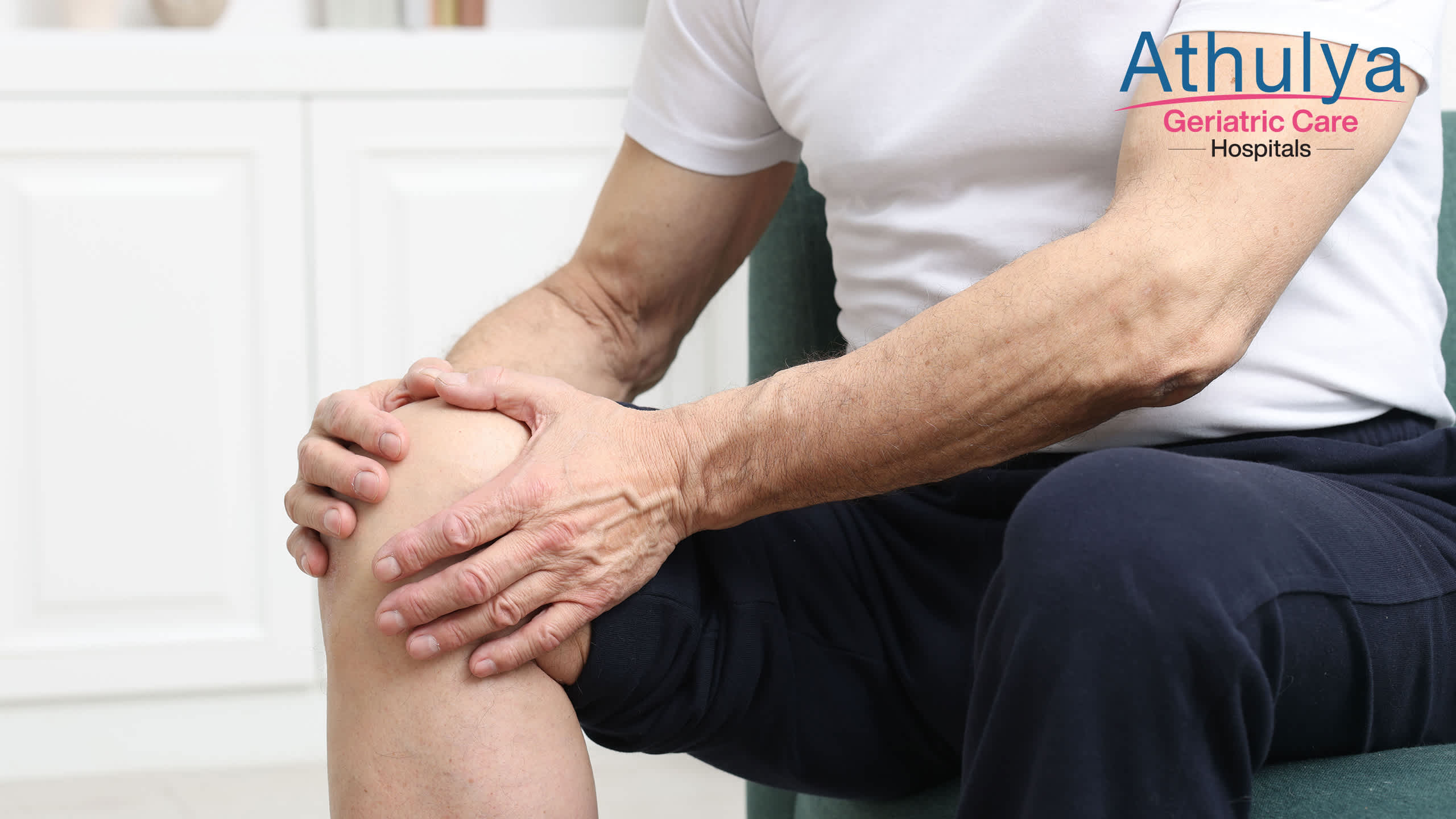
Life After Knee Replacement: Walking, Climbing Stairs and Returning to Everyday Activities

For seniors living with severe knee arthritis, knee replacement surgery can be a major step towards reducing pain and improving mobility. But many patients and families have an important question:

What is life like after knee replacement?

With appropriate medical care, physiotherapy and rehabilitation, many seniors can gradually return to walking, climbing stairs and performing everyday activities with greater confidence.

Walking After Knee Replacement

Walking is an important part of knee replacement recovery. Patients are generally encouraged to begin moving and walking with appropriate support as advised by their medical team.

Initially, a walker or other walking aid may be required. As strength, balance and confidence improve, the need for support can gradually reduce.

Regular physiotherapy after knee replacement helps improve knee movement, muscle strength, balance and walking ability. The pace of recovery varies depending on the patient’s age, overall health, muscle strength and rehabilitation progress.

Climbing Stairs After Knee Replacement

Climbing stairs may feel challenging during the early stages of recovery. However, with improved strength and balance, many seniors can gradually return to using stairs.

A physiotherapist can teach the patient safe stair-climbing techniques and recommend exercises to strengthen the muscles required for this activity.

Patients should avoid rushing the process. Safe mobility after knee replacement is more important than achieving a particular timeline.

Returning to Everyday Activities

One of the key goals of knee replacement surgery for seniors is to help patients regain independence in daily life.

Depending on their recovery, seniors may gradually return to activities such as:
  • Walking around the home and outdoors
  • Getting in and out of a chair
  • Shopping and running everyday errands
  • Participating in social activities
  • Performing routine household activities
  • Enjoying low-impact physical activities

Following the surgeon’s and physiotherapist’s recommendations is important during this stage.

Also Read: Building Immunity Naturally After 60: Small Lifestyle Changes, Big Health Benefits
Why Rehabilitation Matters After Knee Replacement

Surgery replaces the damaged joint, but rehabilitation helps the body adapt to the new joint. A structured knee replacement rehabilitation programme can focus on flexibility, muscle strengthening, balance, walking and functional independence.

For seniors, rehabilitation should also consider fall prevention, existing medical conditions and individual mobility goals.

Senior-Focused Knee Replacement Care at Athulya

At Athulya Geriatric Care Hospital – a multi specialty Hospital at Chennai,   orthopaedic treatment is supported by senior-focused rehabilitation and multidisciplinary care. The hospital’s Centre of Excellence for Orthopaedics & Rehabilitation brings together orthopaedic expertise, physiotherapy and rehabilitation with a focus on the unique needs of older adults.

For families searching for a knee replacement hospital in Chennai for seniors, choosing a hospital that provides comprehensive care beyond surgery can support the journey from treatment to recovery.

Moving Towards a More Active Life

Life after knee replacement is a gradual journey. With appropriate surgery, rehabilitation, physiotherapy and family support, seniors can work towards improved mobility, greater independence and a better quality of life.

If knee pain is limiting your daily activities, consult an orthopaedic specialist to understand whether knee replacement surgery in Chennai may be right for you.

Frequently Asked Questions

How soon can seniors walk after knee replacement surgery?

Seniors are usually encouraged to begin walking with appropriate support as advised by their medical team.

Can seniors climb stairs after knee replacement?

Yes, many seniors can gradually return to climbing stairs with improved strength, balance and physiotherapy.

Why is physiotherapy important after knee replacement?

Physiotherapy helps improve knee movement, muscle strength, balance and walking ability during recovery.

Can seniors return to everyday activities after knee replacement?

With appropriate recovery and rehabilitation, seniors can gradually resume daily activities such as walking, shopping and household tasks.

How long does recovery after knee replacement take for seniors?

Recovery varies based on age, overall health, muscle strength and individual rehabilitation progress.

Is rehabilitation necessary after knee replacement surgery?

Rehabilitation helps seniors adapt to the new joint and work towards improved mobility, balance and independence.

Where can seniors get knee replacement care in Chennai?

Athulya Geriatric Care Hospital provides orthopaedic treatment along with senior-focused physiotherapy and rehabilitation in Chennai.

Knee Replacement After 60: What Seniors and Families Should Know

Knee pain after the age of 60 is common, but living with persistent pain, stiffness and restricted movement does not have to be a part of ageing. For seniors with advanced knee arthritis or severe joint damage, knee replacement surgery can help reduce pain, improve mobility and support a more active and independent lifestyle.

If you or a loved one is considering knee replacement after 60, understanding when surgery may be required, how the procedure works and what recovery involves can help you make an informed decision.

When Is Knee Replacement Recommended for Seniors?

Knee replacement is generally considered when severe knee arthritis or joint damage begins to significantly interfere with everyday life and non-surgical treatments are no longer providing sufficient relief.

A senior may benefit from an evaluation for knee replacement surgery if they experience:

  • Persistent or severe knee pain
  • Difficulty walking or standing for long periods
  • Pain while climbing stairs or getting up from a chair
  • Knee stiffness or swelling
  • Pain that interferes with sleep
  • Difficulty performing everyday activities
  • Reduced mobility and increasing dependence on family members
  • Limited improvement with medicines, injections or physiotherapy

The decision to undergo knee replacement should be based on the individual’s symptoms, joint condition, overall health and functional needs—not age alone.

Is Knee Replacement Safe After 60?

One of the most common questions families ask is, “Is knee replacement safe for seniors?”

For appropriately evaluated patients, knee replacement can be a successful treatment. However, seniors may have other age-related health considerations such as diabetes, hypertension, heart conditions, nutritional concerns, reduced muscle strength or an increased risk of falls.

This makes geriatric assessment before knee replacement particularly important.

A senior-focused medical team can assess overall health, existing medical conditions, medications, nutritional status, mobility, fall risk and functional ability before surgery. Identifying and managing these factors can help prepare the patient for surgery and recovery.

Also Read: Building Immunity Naturally After 60: Small Lifestyle Changes, Big Health Benefits
What Is the Recovery Like After Knee Replacement?

Knee replacement recovery is an important part of the treatment journey. Surgery is only one step; rehabilitation plays a major role in helping seniors regain strength and mobility.

Physiotherapy after knee replacement typically focuses on:
  • Improving knee movement and flexibility
  • Strengthening the muscles around the knee
  • Improving balance and walking ability
  • Gradually increasing functional independence
  • Reducing the risk of falls
  • Helping the patient return to everyday activities

Families can also support recovery by creating a safe home environment, assisting with mobility when required and ensuring that prescribed exercises and follow-up appointments are maintained.

Robotic Knee Replacement for Seniors

Advances in orthopaedic technology have also introduced robotic-assisted knee replacement, which can help surgeons plan and perform the procedure with technology-assisted precision.

However, robotic knee replacement is not automatically the right choice for every patient. The appropriate surgical approach depends on the patient’s joint condition, medical history, anatomy and the surgeon’s clinical assessment.

If you are looking for a robotic knee replacement hospital in Chennai, it is important to choose a centre where technology is supported by experienced orthopaedic expertise, comprehensive pre-operative assessment and structured rehabilitation.

Why Choose a Geriatric-Focused Hospital for Knee Replacement?

A senior undergoing knee replacement may have healthcare needs that extend beyond the knee joint. Managing existing health conditions, medications, nutrition, mobility, pain and rehabilitation can all be important components of the recovery journey.

This is where geriatric-focused orthopaedic care can make a difference.

Athulya Geriatric Care Hospital, Chennai, is a 60-bed multi-specialty hospital in Valasaravakkam, purpose-built exclusively for seniors. Its Centre of Excellence for Orthopaedics & Rehabilitation combines orthopaedic care with geriatric-focused assessment, rehabilitation and multidisciplinary support.

The hospital brings together doctors, nurses, physiotherapists and other healthcare professionals to address the broader healthcare needs of older adults. Its senior-centric infrastructure and multidisciplinary approach are designed to support patients through evaluation, treatment, surgery and rehabilitation.

For families searching for a knee replacement hospital in Chennai for seniors, choosing a hospital that understands the unique needs of older adults can be an important consideration.

Helping Seniors Move with Greater Confidence

The goal of knee replacement is not simply to treat a damaged joint. For seniors, successful treatment can mean less pain, better mobility, greater independence and improved quality of life.

If persistent knee pain is affecting your ability to walk, climb stairs or perform everyday activities, consult an orthopaedic specialist to understand whether knee replacement or another treatment option is suitable for you.

Frequently Asked Questions

Is knee replacement safe for seniors over 60?

For appropriately evaluated seniors, knee replacement can be a safe and effective treatment when overall health and surgical risks are assessed.

When should a senior consider knee replacement?

A senior may consider knee replacement when severe knee pain and stiffness affect daily activities and non-surgical treatments no longer provide sufficient relief.

How long does it take to recover from knee replacement?

Recovery varies by individual, but physiotherapy and rehabilitation are important for gradually restoring strength, mobility and independence.

Is robotic knee replacement suitable for seniors?

Robotic knee replacement may be suitable for some seniors, depending on their joint condition, anatomy, medical history and surgeon’s assessment.

Why is geriatric assessment important before knee replacement?

Geriatric assessment helps identify and manage health conditions, medications, nutrition, mobility and fall risks before surgery.

How can families support seniors after knee replacement?

Families can support recovery by ensuring a safe environment, assisting with mobility and helping seniors follow prescribed exercises and appointments.

Where can seniors get knee replacement care in Chennai?

Seniors can seek knee replacement care at hospitals offering orthopaedic expertise, geriatric assessment and structured rehabilitation.