Beyond Physical Health: Why Mental Health and Well-being Are Essential to Healthy Ageing

On World Mental Health Day, it is time to recognise that ageing well is not merely about adding years to life, but adding life, meaning and connection to those years.

Growing older is a natural part of life. We routinely monitor blood pressure, blood sugar, cholesterol, heart health, bone density and other markers of physical health as we age. Yet there is another dimension of health that deserves equal attention: mental health and emotional well-being.

A person may have well-controlled diabetes, a healthy heart and good mobility, yet still feel lonely, purposeless, anxious or depressed. Conversely, psychological well-being can help an older person cope with illness, adapt to changes in independence, maintain relationships and continue participating in life.

This is why healthy ageing must go beyond physical health and healthy ageing is more than the absence of disease.

The World Health Organization describes healthy ageing as developing and maintaining the functional ability that enables well-being in older age and mental health is central to all of these.

Ageing brings many transitions. Retirement may change one’s identity and daily routine. Children may move away. Friends and siblings may pass away. Physical limitations can reduce independence. Chronic illness may create uncertainty. Some people become caregivers for an ill spouse, while others themselves become increasingly dependent on family members.

Bereavement, financial concerns, changes in social roles, loneliness and loss of independence can all affect emotional well-being.

These experiences are not necessarily mental illnesses. Sadness, grief and worry are normal human responses to difficult life events. But when distress becomes persistent, severe or disabling, it deserves recognition and appropriate care.

Mental health problems in older adults can remain hidden because symptoms may be attributed simply to “old age” or physical illness. The WHO estimates that around 15% of adults aged 70 and above live with a mental disorder, while mental health conditions among older people are frequently under-recognised and undertreated. Recognising these problems early can make a profound difference.

The separation between “physical health” and “mental health” is artificial.

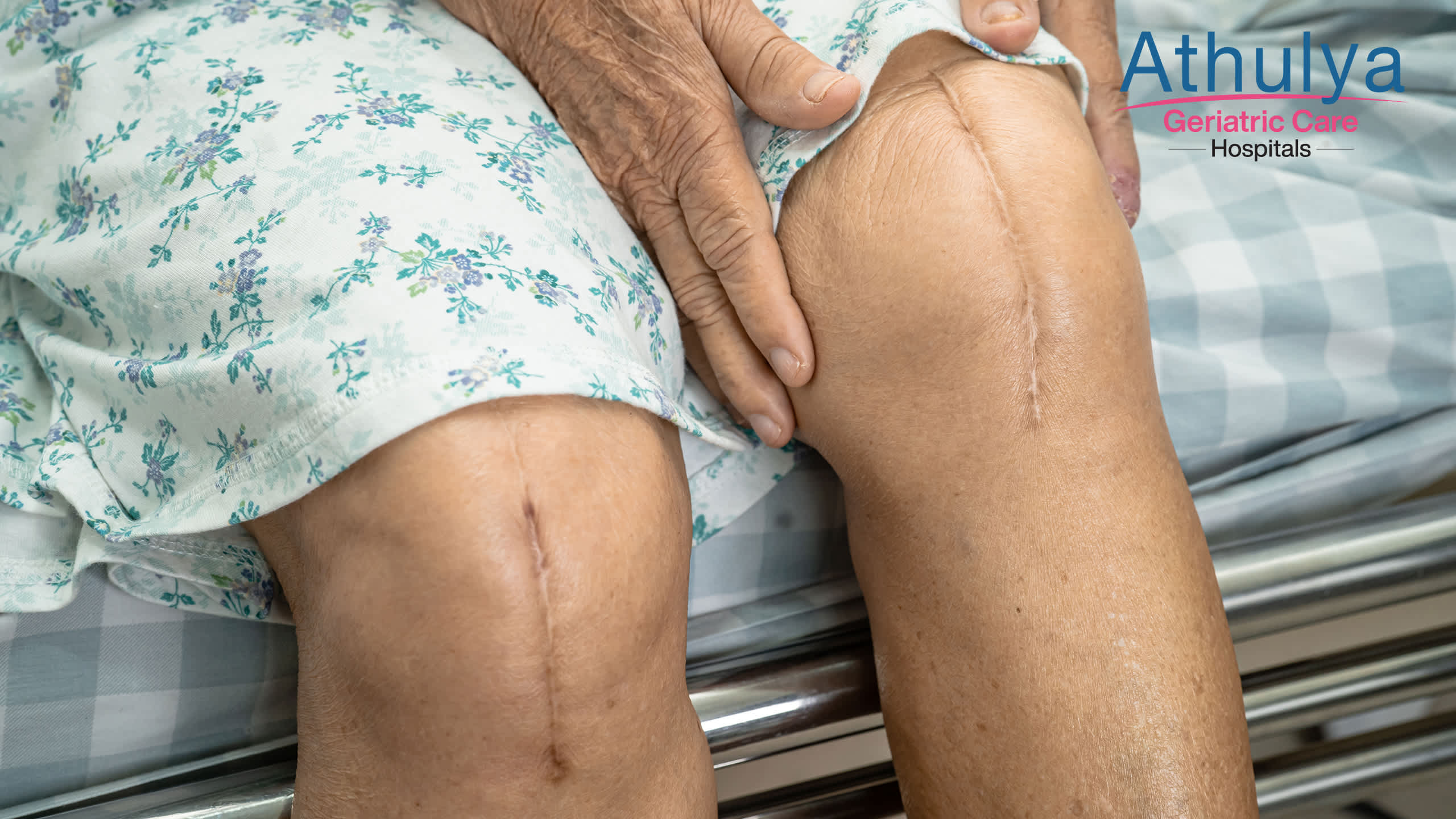
Consider an older person recovering from a hip fracture. Physical rehabilitation may restore strength and mobility. But if the person becomes fearful of falling, loses confidence and begins avoiding social activities, physical recovery alone may not restore their quality of life.

Depression can reduce motivation to exercise, eat adequately, take medication or attend medical appointments. Anxiety can affect sleep, concentration and physical functioning. Chronic pain can contribute to depression and social withdrawal. Conversely, physical illness can increase vulnerability to psychological distress.

The relationship is therefore bidirectional.

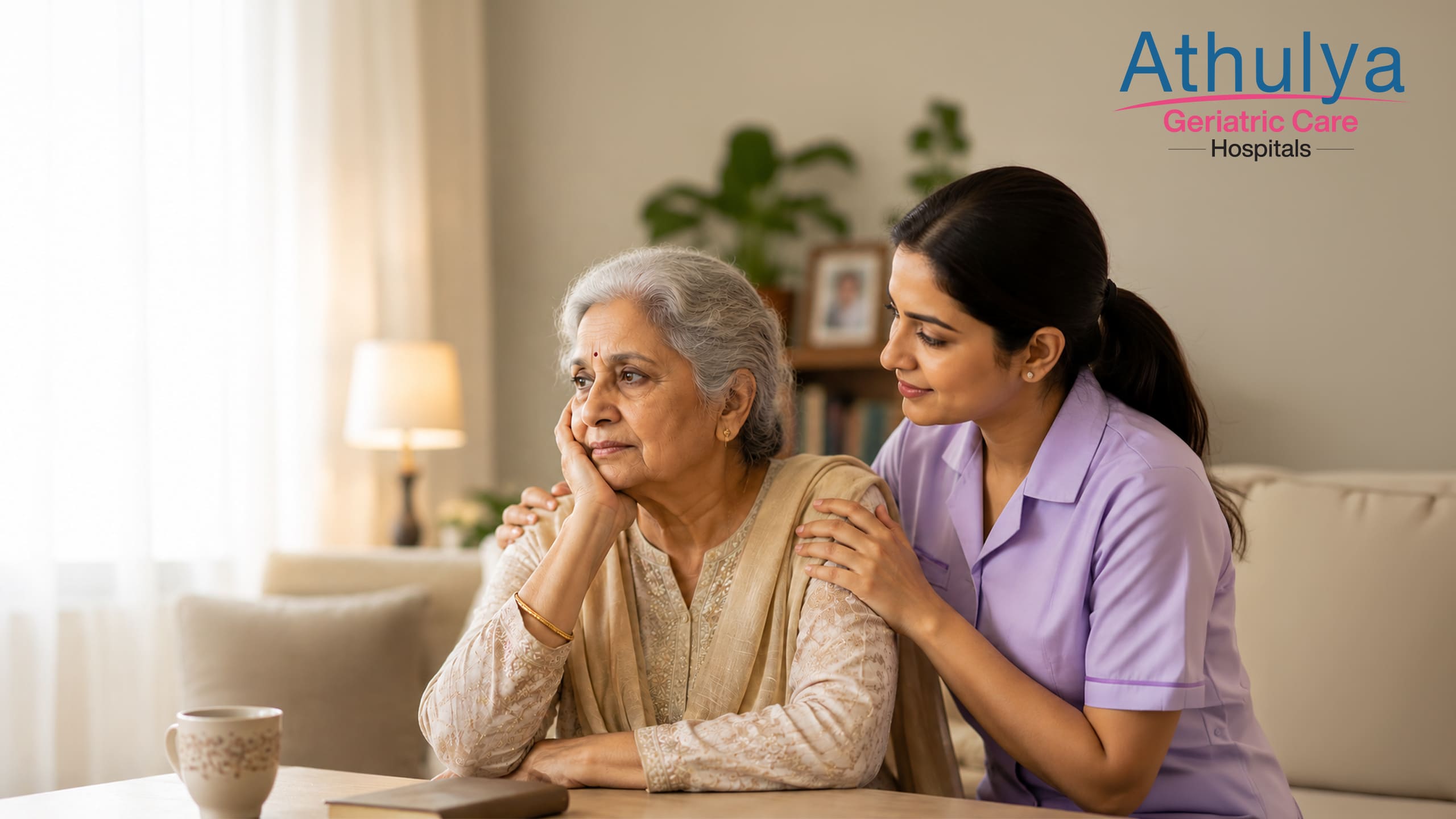
Mental health in later life is not the responsibility of the older person alone.

Families can make a difference by listening rather than immediately offering solutions, involving older relatives in decisions, encouraging social participation and recognising changes in mood or behaviour.

A sudden loss of interest, persistent sadness, withdrawal, irritability, sleep or appetite changes, excessive worry, hopelessness or unexplained decline in functioning should not automatically be dismissed as “normal ageing.”

Also Read: Building Immunity Naturally After 60: Small Lifestyle Changes, Big Health Benefits

Caregivers themselves also need support. Caring for a spouse or parent with chronic illness or dementia can be emotionally and physically demanding. Supporting caregivers is therefore an important part of supporting older adults.

As healthcare professionals, we have an opportunity to change the way ageing is approached.

Mental health screening, psychological interventions, appropriate psychiatric treatment, social prescribing, rehabilitation, caregiver support and community-based interventions can all have a role.

Importantly, mental health care in older age should be person centred. The goal is not simply to reduce symptoms. It is to help the individual live with dignity, autonomy, connection and the greatest possible quality of life.

This year’s World Mental Health Day theme, “Lived experiences heard: real voices, real change,” reminds us of something particularly important in geriatric mental healthcare: older adults are not merely recipients of care. Their experiences are a form of expertise. Every older person has a story.

Behind a diagnosis of depression may be years of caregiving, bereavement or social isolation. Behind anxiety may be the fear of losing independence. Behind withdrawal may be grief. Behind apparent “non-compliance” may be a person struggling with hopelessness or cognitive difficulties.

Listening carefully can change how we understand the problem and therefore how we respond to it.

Ultimately, the goal of healthcare is not simply to prolong life, but to help people live that life as fully as possible.

On this World Mental Health Day, let us therefore broaden our definition of healthy ageing.

Let us look beyond blood pressure, blood sugar, bones and muscles.

Let us ask about mood, meaning, relationships, resilience, purpose and dignity.

Because ageing well is not simply about having more years.

It is about making those years worth living.

Frequently Asked Questions

1. Why is mental health important for seniors?

Mental health helps seniors maintain emotional well-being, independence, relationships and quality of life as they age.

2. What are the common mental health problems in older adults?

Common mental health problems include depression, anxiety, loneliness, grief and other emotional difficulties.

3. How can seniors maintain good mental health as they age?

Seniors can support their mental health through regular physical activity, social connections, meaningful activities, adequate sleep and professional care when needed.

4. Is depression a normal part of ageing?

No, depression is not a normal part of ageing and should be recognised and treated with appropriate professional support.

5. How does loneliness affect mental health in seniors?

Loneliness can increase the risk of depression, anxiety, social withdrawal and reduced overall well-being in older adults.

6. What are the warning signs of mental health problems in seniors?

Persistent sadness, loss of interest, sleep or appetite changes, excessive worry and social withdrawal may indicate mental health concerns.
Posted in All

Robotic Knee Replacement: Is It Right for Seniors?

Knee pain is common among older adults, and for some seniors with advanced knee arthritis, knee replacement surgery may become an option when pain and reduced mobility significantly affect daily life. With advances in orthopaedic technology, Robotic Knee Replacement has emerged as a technology-assisted approach to knee replacement surgery.

But is robotic knee replacement right for every senior?

The answer depends on several factors, including the severity of knee damage, overall health, mobility, medical conditions and the assessment of the orthopaedic team.

What Is Robotic Knee Replacement?

Robotic knee replacement is a technology-assisted form of knee replacement surgery. It uses advanced imaging and computer-assisted technology to help the surgeon plan the procedure and guide bone preparation and implant positioning.

Importantly, the robot does not replace the surgeon. The orthopaedic surgeon remains responsible for planning and performing the procedure, while the technology provides additional information and precision during surgery.

Potential Benefits for Seniors

For older adults undergoing knee replacement, accurate surgical planning and appropriate implant positioning are important considerations. Robotic-assisted technology can help the surgical team create a more personalised surgical plan based on the individual’s knee anatomy.

Depending on the patient’s condition and surgical plan, robotic knee replacement may offer benefits such as:

  • Detailed pre-operative planning
  • Technology-assisted surgical precision
  • Personalised planning based on individual knee anatomy
  • Assistance with implant positioning and alignment
  • Support for a more structured surgical approach

However, robotic technology does not automatically mean that every senior is a candidate or that recovery will be the same for everyone.

Is Robotic Knee Replacement Suitable for Every Senior?

Not necessarily. The decision to undergo robotic knee replacement surgery should be based on a comprehensive evaluation.

For seniors, doctors may consider the extent of arthritis, bone quality, muscle strength, mobility, existing medical conditions, medications and overall functional status.

Also Read: Life After Knee Replacement: Walking, Climbing Stairs and Returning to Everyday Activities

Conditions such as diabetes, heart disease or other chronic illnesses may also need to be appropriately evaluated and managed before surgery.

This is where geriatric orthopaedic care can be particularly valuable. Looking at the senior as a whole helps the healthcare team plan care around both the knee condition and the individual’s overall health.

The Importance of Rehabilitation After Knee Replacement

Surgery is only one part of the knee replacement journey. Rehabilitation and physiotherapy are important for helping seniors work towards improved mobility and functional independence after surgery.

A personalised rehabilitation programme may focus on strength, balance, range of motion, walking and everyday activities. Nutrition, medication management and appropriate medical monitoring can also form part of comprehensive senior care.

Robotic Knee Replacement at Athulya Geriatric Care Hospitals

At Athulya Geriatric Care Hospitals, knee replacement care for seniors is supported by a senior-focused healthcare approach. The care journey can bring together orthopaedic expertise, geriatric assessment, physiotherapy, rehabilitation and other supportive services based on the individual’s needs.

For seniors considering robotic knee replacement in Chennai, the first step is a detailed consultation with an orthopaedic specialist. Your doctor can assess your knee condition, overall health and functional goals and determine whether robotic-assisted knee replacement is an appropriate option.

Making the Right Choice for Your Knee

Robotic knee replacement is an important advancement in modern orthopaedic care, but technology is only one part of the decision. For seniors, the right treatment should consider the knee, overall health, mobility, lifestyle and goals together.

If knee pain is affecting your ability to walk, climb stairs or enjoy everyday activities, speak with an orthopaedic specialist to understand your treatment options.

Frequently Asked Questions

What is robotic knee replacement?

Robotic knee replacement is a technology-assisted surgery that helps surgeons plan the procedure and improve precision in bone preparation and implant positioning.

Is robotic knee replacement suitable for seniors?

It may be suitable for some seniors, depending on their knee condition, overall health, mobility and medical history.

What are the benefits of robotic knee replacement for seniors?

It can support detailed planning, personalised surgical guidance, accurate implant positioning and alignment based on individual knee anatomy.

Do all seniors with knee arthritis need robotic knee replacement?

No, the appropriate treatment depends on the severity of arthritis and the senior’s overall health, mobility and functional needs.

Is rehabilitation needed after robotic knee replacement?

Yes, physiotherapy and rehabilitation are important for improving strength, mobility, balance and range of motion after surgery.

Where can seniors get robotic knee replacement in Chennai?

Seniors can consult an orthopaedic specialist at Athulya Geriatric Care Hospitals to assess whether robotic-assisted knee replacement is appropriate for them.

Life After Knee Replacement: Walking, Climbing Stairs and Returning to Everyday Activities

For seniors living with severe knee arthritis, knee replacement surgery can be a major step towards reducing pain and improving mobility. But many patients and families have an important question:

What is life like after knee replacement?

With appropriate medical care, physiotherapy and rehabilitation, many seniors can gradually return to walking, climbing stairs and performing everyday activities with greater confidence.

Walking After Knee Replacement

Walking is an important part of knee replacement recovery. Patients are generally encouraged to begin moving and walking with appropriate support as advised by their medical team.

Initially, a walker or other walking aid may be required. As strength, balance and confidence improve, the need for support can gradually reduce.

Regular physiotherapy after knee replacement helps improve knee movement, muscle strength, balance and walking ability. The pace of recovery varies depending on the patient’s age, overall health, muscle strength and rehabilitation progress.

Climbing Stairs After Knee Replacement

Climbing stairs may feel challenging during the early stages of recovery. However, with improved strength and balance, many seniors can gradually return to using stairs.

A physiotherapist can teach the patient safe stair-climbing techniques and recommend exercises to strengthen the muscles required for this activity.

Patients should avoid rushing the process. Safe mobility after knee replacement is more important than achieving a particular timeline.

Returning to Everyday Activities

One of the key goals of knee replacement surgery for seniors is to help patients regain independence in daily life.

Depending on their recovery, seniors may gradually return to activities such as:
  • Walking around the home and outdoors
  • Getting in and out of a chair
  • Shopping and running everyday errands
  • Participating in social activities
  • Performing routine household activities
  • Enjoying low-impact physical activities

Following the surgeon’s and physiotherapist’s recommendations is important during this stage.

Also Read: Building Immunity Naturally After 60: Small Lifestyle Changes, Big Health Benefits
Why Rehabilitation Matters After Knee Replacement

Surgery replaces the damaged joint, but rehabilitation helps the body adapt to the new joint. A structured knee replacement rehabilitation programme can focus on flexibility, muscle strengthening, balance, walking and functional independence.

For seniors, rehabilitation should also consider fall prevention, existing medical conditions and individual mobility goals.

Senior-Focused Knee Replacement Care at Athulya

At Athulya Geriatric Care Hospital – a multi specialty Hospital at Chennai,   orthopaedic treatment is supported by senior-focused rehabilitation and multidisciplinary care. The hospital’s Centre of Excellence for Orthopaedics & Rehabilitation brings together orthopaedic expertise, physiotherapy and rehabilitation with a focus on the unique needs of older adults.

For families searching for a knee replacement hospital in Chennai for seniors, choosing a hospital that provides comprehensive care beyond surgery can support the journey from treatment to recovery.

Moving Towards a More Active Life

Life after knee replacement is a gradual journey. With appropriate surgery, rehabilitation, physiotherapy and family support, seniors can work towards improved mobility, greater independence and a better quality of life.

If knee pain is limiting your daily activities, consult an orthopaedic specialist to understand whether knee replacement surgery in Chennai may be right for you.

Frequently Asked Questions

How soon can seniors walk after knee replacement surgery?

Seniors are usually encouraged to begin walking with appropriate support as advised by their medical team.

Can seniors climb stairs after knee replacement?

Yes, many seniors can gradually return to climbing stairs with improved strength, balance and physiotherapy.

Why is physiotherapy important after knee replacement?

Physiotherapy helps improve knee movement, muscle strength, balance and walking ability during recovery.

Can seniors return to everyday activities after knee replacement?

With appropriate recovery and rehabilitation, seniors can gradually resume daily activities such as walking, shopping and household tasks.

How long does recovery after knee replacement take for seniors?

Recovery varies based on age, overall health, muscle strength and individual rehabilitation progress.

Is rehabilitation necessary after knee replacement surgery?

Rehabilitation helps seniors adapt to the new joint and work towards improved mobility, balance and independence.

Where can seniors get knee replacement care in Chennai?

Athulya Geriatric Care Hospital provides orthopaedic treatment along with senior-focused physiotherapy and rehabilitation in Chennai.

Knee Replacement After 60: What Seniors and Families Should Know

Knee pain after the age of 60 is common, but living with persistent pain, stiffness and restricted movement does not have to be a part of ageing. For seniors with advanced knee arthritis or severe joint damage, knee replacement surgery can help reduce pain, improve mobility and support a more active and independent lifestyle.

If you or a loved one is considering knee replacement after 60, understanding when surgery may be required, how the procedure works and what recovery involves can help you make an informed decision.

When Is Knee Replacement Recommended for Seniors?

Knee replacement is generally considered when severe knee arthritis or joint damage begins to significantly interfere with everyday life and non-surgical treatments are no longer providing sufficient relief.

A senior may benefit from an evaluation for knee replacement surgery if they experience:

  • Persistent or severe knee pain
  • Difficulty walking or standing for long periods
  • Pain while climbing stairs or getting up from a chair
  • Knee stiffness or swelling
  • Pain that interferes with sleep
  • Difficulty performing everyday activities
  • Reduced mobility and increasing dependence on family members
  • Limited improvement with medicines, injections or physiotherapy

The decision to undergo knee replacement should be based on the individual’s symptoms, joint condition, overall health and functional needs—not age alone.

Is Knee Replacement Safe After 60?

One of the most common questions families ask is, “Is knee replacement safe for seniors?”

For appropriately evaluated patients, knee replacement can be a successful treatment. However, seniors may have other age-related health considerations such as diabetes, hypertension, heart conditions, nutritional concerns, reduced muscle strength or an increased risk of falls.

This makes geriatric assessment before knee replacement particularly important.

A senior-focused medical team can assess overall health, existing medical conditions, medications, nutritional status, mobility, fall risk and functional ability before surgery. Identifying and managing these factors can help prepare the patient for surgery and recovery.

Also Read: Building Immunity Naturally After 60: Small Lifestyle Changes, Big Health Benefits
What Is the Recovery Like After Knee Replacement?

Knee replacement recovery is an important part of the treatment journey. Surgery is only one step; rehabilitation plays a major role in helping seniors regain strength and mobility.

Physiotherapy after knee replacement typically focuses on:
  • Improving knee movement and flexibility
  • Strengthening the muscles around the knee
  • Improving balance and walking ability
  • Gradually increasing functional independence
  • Reducing the risk of falls
  • Helping the patient return to everyday activities

Families can also support recovery by creating a safe home environment, assisting with mobility when required and ensuring that prescribed exercises and follow-up appointments are maintained.

Robotic Knee Replacement for Seniors

Advances in orthopaedic technology have also introduced robotic-assisted knee replacement, which can help surgeons plan and perform the procedure with technology-assisted precision.

However, robotic knee replacement is not automatically the right choice for every patient. The appropriate surgical approach depends on the patient’s joint condition, medical history, anatomy and the surgeon’s clinical assessment.

If you are looking for a robotic knee replacement hospital in Chennai, it is important to choose a centre where technology is supported by experienced orthopaedic expertise, comprehensive pre-operative assessment and structured rehabilitation.

Why Choose a Geriatric-Focused Hospital for Knee Replacement?

A senior undergoing knee replacement may have healthcare needs that extend beyond the knee joint. Managing existing health conditions, medications, nutrition, mobility, pain and rehabilitation can all be important components of the recovery journey.

This is where geriatric-focused orthopaedic care can make a difference.

Athulya Geriatric Care Hospital, Chennai, is a 60-bed multi-specialty hospital in Valasaravakkam, purpose-built exclusively for seniors. Its Centre of Excellence for Orthopaedics & Rehabilitation combines orthopaedic care with geriatric-focused assessment, rehabilitation and multidisciplinary support.

The hospital brings together doctors, nurses, physiotherapists and other healthcare professionals to address the broader healthcare needs of older adults. Its senior-centric infrastructure and multidisciplinary approach are designed to support patients through evaluation, treatment, surgery and rehabilitation.

For families searching for a knee replacement hospital in Chennai for seniors, choosing a hospital that understands the unique needs of older adults can be an important consideration.

Helping Seniors Move with Greater Confidence

The goal of knee replacement is not simply to treat a damaged joint. For seniors, successful treatment can mean less pain, better mobility, greater independence and improved quality of life.

If persistent knee pain is affecting your ability to walk, climb stairs or perform everyday activities, consult an orthopaedic specialist to understand whether knee replacement or another treatment option is suitable for you.

Frequently Asked Questions

Is knee replacement safe for seniors over 60?

For appropriately evaluated seniors, knee replacement can be a safe and effective treatment when overall health and surgical risks are assessed.

When should a senior consider knee replacement?

A senior may consider knee replacement when severe knee pain and stiffness affect daily activities and non-surgical treatments no longer provide sufficient relief.

How long does it take to recover from knee replacement?

Recovery varies by individual, but physiotherapy and rehabilitation are important for gradually restoring strength, mobility and independence.

Is robotic knee replacement suitable for seniors?

Robotic knee replacement may be suitable for some seniors, depending on their joint condition, anatomy, medical history and surgeon’s assessment.

Why is geriatric assessment important before knee replacement?

Geriatric assessment helps identify and manage health conditions, medications, nutrition, mobility and fall risks before surgery.

How can families support seniors after knee replacement?

Families can support recovery by ensuring a safe environment, assisting with mobility and helping seniors follow prescribed exercises and appointments.

Where can seniors get knee replacement care in Chennai?

Seniors can seek knee replacement care at hospitals offering orthopaedic expertise, geriatric assessment and structured rehabilitation.

Nutrition for Seniors with Diabetes: Foods, Portions and Meal Planning

Managing diabetes becomes especially important as we age. Along with medication and regular monitoring, a balanced diet can play an important role in maintaining healthy blood sugar levels and supporting overall wellbeing. For older adults, nutrition for seniors with diabetes should focus on balanced meals, appropriate portions and nutrient-rich foods.

Why Nutrition Matters for Seniors with Diabetes

A well-planned diabetic diet for seniors can help support blood sugar management while providing the protein, fibre, vitamins and minerals needed for healthy ageing. However, nutritional needs can vary depending on medications, activity levels and other health conditions.

Foods to Include in a Senior Diabetic Diet
1. High-Fibre Foods

Fibre can help support better blood sugar management and digestive health. Include vegetables, leafy greens, beans, lentils, whole grains, oats and suitable low-sugar fruits.

2. Protein-Rich Foods

Protein helps maintain muscle strength, which is particularly important for older adults. Good choices include eggs, fish, skinless chicken, paneer, curd, dal, beans and other pulses.

3. Healthy Fats

Include moderate amounts of healthy fats from nuts, seeds, avocados and healthy cooking oils. Portion control is important as these foods can be calorie-dense.

4. Choose Fruits Wisely

Whole fruits can be part of a diabetes-friendly diet for seniors. Options such as guava, apple, orange, pear and berries can be included in appropriate portions. Whole fruit is generally preferable to fruit juice.

Also Read: Building Immunity Naturally After 60: Small Lifestyle Changes, Big Health Benefits

For seniors with diabetes, what you eat and how much you eat both matter. Using smaller portions of carbohydrates and balancing them with vegetables and protein can help create more balanced meals.

Try to maintain consistent meal timings and avoid frequently skipping meals, particularly if taking diabetes medications that can cause low blood sugar.

Portion Control Matters

For seniors with diabetes, what you eat and how much you eat both matter. Using smaller portions of carbohydrates and balancing them with vegetables and protein can help create more balanced meals.

Try to maintain consistent meal timings and avoid frequently skipping meals, particularly if taking diabetes medications that can cause low blood sugar.

Foods to Limit

Seniors managing diabetes should limit sugary drinks, sweets, refined carbohydrates, highly processed foods and excessive fried foods. Foods labelled “sugar-free” are not necessarily carbohydrate-free, so food labels and portion sizes should still be considered.

Personalised Nutrition for Healthy Ageing

At Athulya Geriatric Care Hospitals, nutrition forms an important part of holistic geriatric care. A senior’s nutritional plan should consider their medical conditions, medications, appetite, activity levels and individual dietary needs.

A nutritionist or healthcare professional can help create a personalised meal plan that supports diabetes management while ensuring adequate nutrition.

Eat balanced. Manage portions. Support healthier ageing.

Frequently Asked Questions
  • What foods are good for seniors with diabetes?

Vegetables, leafy greens, whole grains, pulses, eggs, fish, lean chicken, nuts and suitable whole fruits can be part of a diabetes-friendly diet.

  • Which fruits are good for seniors with diabetes?

Guava, apple, orange, pear and berries can be included in appropriate portions as part of a balanced diabetic diet.

  • What foods should seniors with diabetes avoid?

Seniors with diabetes should limit sugary drinks, sweets, refined carbohydrates, highly processed foods and excessive fried foods.

  • Is fruit good for seniors with diabetes?

Yes, whole fruit can be included in a senior diabetic diet when consumed in suitable portions rather than as juice.

  • How can seniors control blood sugar through diet?

Choosing nutrient-rich foods, controlling portions, maintaining regular meal timings and limiting added sugars can support blood sugar management.

Posted in All

Healthy Ageing Through Nutrition: Foods That Support Immunity

As we age, maintaining a strong immune system becomes increasingly important. While immunity naturally changes with age, a healthy diet for seniors can provide essential nutrients that support the body’s natural defence mechanisms. Good senior nutrition is not just about eating enough—it is about choosing nutrient-rich foods that support immunity, strength, energy and overall wellbeing.

Why Nutrition Matters for Healthy Ageing

Older adults may experience changes in appetite, digestion and nutrient absorption, which can increase the risk of nutritional deficiencies. Adequate nutrition for seniors can help support immune function, maintain muscle strength and promote healthy ageing.

A balanced diet should include adequate protein, vitamins, minerals, fibre and fluids.

Foods That Support Immunity in Seniors
1. Protein-Rich Foods

Protein is essential for maintaining muscle mass and supporting immune function. Include eggs, fish, chicken, milk, curd, paneer, dal, beans and nuts as part of a balanced diet.

2. Vitamin C-Rich Fruits and Vegetables

Vitamin C contributes to normal immune function. Seniors can include guava, oranges, amla, papaya, tomatoes, capsicum and green leafy vegetables in their daily meals.

3. Foods Rich in Vitamin D

Vitamin D plays an important role in immune health and bone health. Dietary sources include fortified dairy products, eggs and fatty fish. Appropriate sunlight exposure may also contribute to vitamin D production.

4. Nuts and Seeds

Almonds, walnuts, flaxseeds, chia seeds and pumpkin seeds provide healthy fats, protein and important micronutrients. Small portions can be added to breakfast or snacks.

Also Read: Complete Guide to Preventive Health Check-ups After 60
5. Whole Grains and Fibre-Rich Foods

Whole grains, vegetables, fruits and legumes provide fibre and other nutrients that support digestive health. Maintaining good gut health is an important part of overall wellbeing.

6.  Fermented Foods:

Curd/ yogurt and other traditional fermented foods can contribute beneficial bacteria to the diet.

7.  Garlic, Ginger and spices:

These can add flavour while contributing various plant compounds to an overall healthy diet

8. Stay Well Hydrated

Hydration for seniors is often overlooked. Water, soups, buttermilk and other suitable fluids can help maintain adequate hydration throughout the day.

Supporting Healthy Ageing at Every Stage

At Athulya Geriatric Care Hospitals, a geriatric-focused approach recognises that nutrition plays an important role in supporting the overall health, strength and quality of life of seniors. Nutritional needs can vary depending on age, medical conditions, medications and activity levels, making personalised dietary guidance especially valuable.

There is no single food that can prevent illness or instantly “boost” immunity. Instead, a varied and balanced senior diet provides the nutrients the body needs to function well.

Healthy ageing begins with the right nutrition—eat well, stay active and care for your health at every stage of life.
Frequently Asked Questions
  • What foods are good for boosting immunity in seniors?

A balanced diet with protein-rich foods, fruits, vegetables, whole grains, nuts and seeds can support healthy immune function in seniors.

  • Which fruits are best for seniors to support immunity?

Guava, amla, oranges, papaya and other vitamin C-rich fruits can be included as part of a balanced senior diet.

  • What are the best protein foods for seniors?

Eggs, fish, chicken, milk, curd, paneer, dal, beans and nuts are nutritious protein sources for seniors.

  • Is vitamin D important for seniors?

Yes, vitamin D supports bone health and normal immune function, and seniors can obtain it from suitable foods and sunlight exposure.

  • Can diet improve immunity in older adults?

A balanced and nutrient-rich diet can support normal immune function, although no single food can prevent illness or instantly boost immunity.

Posted in All

Heart-Healthy Diet for Seniors: Foods to Include and Avoid

Heart health becomes increasingly important with age. A balanced and nutritious diet can support cardiovascular health, maintain healthy blood pressure and cholesterol levels, and contribute to overall wellbeing. For seniors, following a heart-healthy diet is an important part of healthy ageing.

Why Heart-Healthy Nutrition Matters for Seniors

As we age, the risk of conditions such as high blood pressure, high cholesterol and heart disease can increase. Making healthier food choices can help support heart health for seniors while also providing the energy and nutrients needed for an active lifestyle.

A good senior nutrition plan should include plenty of vegetables, fruits, whole grains, lean proteins and healthy fats while limiting excess salt, sugar and saturated fats.

Heart-Healthy Foods Seniors Should Include
1. Fruits and Vegetables

Fruits and vegetables provide fibre, vitamins, minerals and antioxidants. Include leafy greens, carrots, tomatoes, berries, guava, oranges and other seasonal fruits and vegetables in daily meals.

2. Whole Grains

Choose whole grains such as oats, brown rice, whole-wheat products, millets and other high-fibre grains. Fibre can support heart health and digestive wellbeing.

3. Lean Protein

Include fish, eggs, skinless chicken, dal, beans, lentils and low-fat dairy products. Fatty fish such as salmon and sardines also provide omega-3 fatty acids.

4. Healthy Fats

Nuts, seeds, avocados and healthy vegetable oils can provide beneficial unsaturated fats. Portion control is important because even healthy fats are calorie-dense.

Fish: Fatty Fish such as sardines, salmon or mackerel can provide heart – friendly omega-3 fats

5.Healthy Oils

Use small amount of unsaturated oils such as groundnut, mustard or olive oil rather than butter or ghee

6. Water

Maintain good hydration unless a doctor has prescribed fluid restriction.

Also Read: Building Immunity Naturally After 60: Small Lifestyle Changes, Big Health Benefits
7. Good magnesium rich foods

Nuts- Amond, walnut seeds- pumpkin seeds, chia seeds, Flax seeds, sesame seeds

Leafy Greens- spinach, Drumstick leaves, amaranth

8. Walnut

Valuable for heart and brain health

9. Omega 3 Fat

Supports Cardiovascular health

10. Vitamin E

Antioxidant that helps protect cells

11. Copper and manganese

Important for metabolism and antioxidant defenses.

12. Polyphenols

Plant compounds with antioxidant properties

An easy plate guide:

Aim for roughly 1/2 the plate vegetables, 1/4 whole grains, and 1/4 protein such as dal, beans, Fish, Egg or lean poultry. Add a small serving of curd and fruit as appropriate.

For seniors with heart failure, kidney disease, diabetes, High blood pressure, or who take blood thinners, the ideal diet can be different – For example, fluid, potassium, pr vit k intake may need individual adjustment.

Foods Seniors Should Limit

For better heart health in older adults, limit:

  • High-salt foods such as pickles, papads and processed snacks
  • Deep-fried and highly processed foods
  • Foods high in saturated and trans fats
  • Sugary beverages and excessive sweets
  • Processed meats and foods with excessive sodium
Healthy Eating for a Healthy Heart

At Athulya Geriatric Care Hospitals, senior care focuses on supporting healthy ageing through a holistic approach that includes nutrition, physical activity, preventive healthcare and personalised medical care. Since nutritional requirements can vary based on age, medications and existing health conditions, seniors with heart-related concerns should seek individualised dietary guidance from a healthcare professional or nutritionist.

A heart-healthy diet is not about giving up everything you enjoy. It is about making smarter, balanced and sustainable food choices that support your heart and overall health.

Eat smart. Protect your heart. Age healthier.
Frequently Asked Questions
  • What foods are good for heart health in seniors?

Vegetables, fruits, oats, whole grains, fish, dal, beans, nuts, seeds and low-fat dairy can support heart health in seniors.

  • Which fruits are good for the heart for seniors?

Fruits such as guava, oranges, berries and other seasonal fruits provide fibre and nutrients that can support cardiovascular health.

  • What foods should seniors avoid for better heart health?

Seniors should limit high-salt foods, deep-fried foods, processed meats, sugary drinks and foods high in saturated and trans fats.

  • What is a heart-healthy breakfast for seniors?

Oats, whole-grain foods, fruits, nuts, seeds and low-fat dairy can be included in a balanced heart-healthy breakfast.

  • What is a healthy plate for seniors with heart concerns?

A simple plate can include about half vegetables, one-quarter whole grains and one-quarter protein such as dal, beans, fish, eggs or lean poultry.

Posted in All

Building Immunity Naturally After 60: Small Lifestyle Changes, Big Health Benefits

Ageing brings wisdom and experience, but it also brings changes to the body’s immune system. After the age of 60, the immune response naturally slows down, making older adults more vulnerable to infections, seasonal illnesses and delayed recovery. However, healthy ageing is possible with the right lifestyle choices and preventive care.

At Athulya Geriatric Care Hospitals, we believe that building immunity is not about miracle supplements—it’s about adopting healthy habits that strengthen the body’s natural defence system and promote overall well-being.

Nourish Your Body with the Right Foods

Good nutrition is the cornerstone of a strong immune system. Seniors should focus on a balanced diet rich in fresh fruits, vegetables, whole grains, lean proteins, nuts, and seeds. Foods containing Vitamins C and D, Zinc, Iron, and antioxidants help support immune health and aid the body’s ability to fight infections.

Equally important is staying hydrated. Drinking enough water throughout the day supports digestion, circulation, and overall body function.

Keep Moving Every Day

Physical activity helps improve circulation, reduce inflammation, and strengthen immunity. Even moderate exercise can have significant benefits for older adults.

Activities such as walking, gentle yoga, stretching, balance exercises, or light strength training not only improve physical fitness but also enhance energy levels and reduce the risk of falls.

Always consult your healthcare provider before starting a new exercise routine.

Sleep: Your Body’s Natural Repair System

Quality sleep allows the immune system to repair and regenerate. Poor sleep has been linked to increased susceptibility to infections and slower healing.

Maintaining a regular sleep schedule, avoiding heavy meals before bedtime, and creating a peaceful sleeping environment can improve sleep quality and support better immune health.

Don’t Ignore Mental Well-being

Emotional health and immunity are closely connected. Stress, anxiety, and loneliness can weaken the body’s natural defence mechanisms.

Staying socially active, spending time with family and friends, pursuing hobbies, practicing mindfulness, or engaging in community activities can significantly improve both emotional and physical well-being.

Manage Existing Health Conditions

Many seniors live with chronic conditions such as diabetes, hypertension, heart disease, or kidney disorders. Proper management of these conditions helps reduce stress on the immune system and lowers the risk of complications.

Regular medical check-ups, following prescribed treatments, and monitoring health parameters are essential for maintaining overall wellness.

Also Read: Coping with Loneliness and Isolation in Senior Citizens: Understanding the Silent Epidemic
Stay Protected Through Preventive Care

Preventive healthcare plays a vital role in healthy ageing. Routine health screenings and recommended vaccinations help detect illnesses early and reduce the risk of serious infections.

Regular consultations with healthcare professionals ensure that any changes in health are identified and addressed promptly.

Avoid Habits That Weaken Immunity

Smoking, excessive alcohol consumption, poor nutrition, and a sedentary lifestyle can all affect immune function. Replacing unhealthy habits with nutritious meals, regular exercise, adequate rest, and positive social interactions can make a noticeable difference in long-term health.

Healthy Ageing Begins with Strong Immunity

There is no single solution to boosting immunity, but consistent healthy habits can significantly strengthen the body’s natural defences. Small daily choices—eating well, staying active, sleeping better, and seeking preventive healthcare—can help seniors stay healthier, recover faster, and enjoy a better quality of life.

At Athulya Geriatric Care Hospitals, our multidisciplinary team provides personalized geriatric care that focuses on prevention, nutrition, chronic disease management, rehabilitation, and healthy ageing. We are committed to helping every senior build resilience, maintain independence, and embrace life with confidence.

A stronger immune system is one of the greatest investments you can make for a healthier future. Start today, because healthy ageing begins with proactive care.

Frequently Asked Questions
  • Can a balanced diet support immunity in seniors?

Yes. Fruits, vegetables, whole grains, lean proteins, nuts and seeds provide nutrients that support immune function and overall health.

  • Can chronic diseases affect immunity in older adults?

Yes. Conditions such as diabetes, hypertension, heart disease and kidney disorders can increase health risks if not properly managed.

  • Does daily exercise help improve immunity after 60?

Regular moderate activity such as walking, yoga, stretching and light strength training can support circulation, mobility and overall health.

  • Does good sleep support the immune system?

Yes. Quality sleep supports the body’s natural repair processes and helps maintain healthy immune function.

  • Why is preventive healthcare important after 60?

Regular screenings, health check-ups, and recommended vaccinations can help detect health problems early and reduce the risk of serious illness.

Posted in All

Signs Your Parent May Need More Medical Support: A Guide for Families

Watching your parents grow older can be an emotional journey. While ageing is a natural part of life, it can sometimes be difficult to distinguish between normal age-related changes and signs that indicate a need for additional medical care.

Many older adults value their independence and may hesitate to discuss health concerns or ask for help. As a family member, recognizing subtle changes in their physical, mental, or emotional well-being can make a significant difference. Early intervention not only helps manage health conditions more effectively but also improves quality of life and helps seniors maintain their independence for as long as possible.

If you’ve noticed changes in your parent’s health or daily routine, here are some important signs that it may be time to seek additional medical support.

Why Early Medical Support Matters

Many age-related health conditions develop gradually and may go unnoticed until they begin affecting daily life. Seeking medical support early offers several benefits:

  • Detects health issues before they become severe
  • Helps manage chronic conditions effectively
  • Prevents complications and hospital admissions
  • Preserves mobility and independence
  • Improves mental and emotional well-being
  • Enhances overall quality of life
1. Frequent Falls or Difficulty Walking

Occasional loss of balance can happen, but repeated falls or increasing difficulty with walking should never be ignored.

Watch for signs such as:

  • Imbalance in walking
  • Severe headache
  • Slurred speech
  • Sudden weakness or numbness on one side of the body
  • Difficulty getting up from a chair
  • Holding onto furniture while walking
  • Fear of falling
  • Reduced confidence in moving around
2. Memory Loss That Affects Daily Life

It’s normal to forget small things occasionally. However, persistent memory problems that interfere with everyday activities may require medical evaluation.

Look out for:

  • Repeating the same questions
  • Forgetting familiar names or places
  • Missing appointments
  • Misplacing important items frequently
  • Difficulty following conversations
  • Confusion about dates or time
3. Managing Multiple Medical Conditions

Many seniors live with more than one chronic illness, such as diabetes, hypertension, arthritis, heart disease, or kidney problems.

If your parent has multiple health conditions, they may benefit from coordinated geriatric care that focuses on:

  • Regular monitoring
  • Medication management
  • Lifestyle guidance
  • Preventing complications
  • Improving overall quality of life
4. Unexplained Weight Loss or Poor Appetite

Losing weight without trying is not a normal part of ageing.

Warning signs include:

  • Reduced appetite
  • Difficulty chewing or swallowing
  • Clothes becoming noticeably loose
  • Fatigue
  • Muscle weakness

Poor nutrition can weaken immunity, reduce muscle strength, and delay recovery from illness. A nutritional assessment can help identify underlying causes and provide a personalized diet plan.

5. Difficulty Performing Daily Activities

Simple tasks becoming increasingly difficult may indicate declining physical or cognitive function.

Pay attention if your parent struggles with:

  • Bathing
  • Dressing
  • Cooking
  • Managing household chores
  • Shopping
  • Taking medications correctly
  • Personal hygiene
Also Read: A Guide to Preventing Falls and Promoting Safe Ageing
6. Frequent Hospital Visits or Medical Emergencies

Repeated hospital admissions or emergency visits often indicate that existing medical conditions are not being managed optimally.

Specialized geriatric care focuses on preventing complications through comprehensive health assessments, medication reviews, rehabilitation, and coordinated treatment plans.

7. Difficulty Managing Medications

Many older adults take multiple medications every day.

Common challenges include:

  • Forgetting doses
  • Taking medicines incorrectly
  • Confusing medications
  • Running out of prescriptions
  • Experiencing side effects

A medication review by a geriatric specialist can help simplify treatment plans and reduce the risk of adverse drug interactions.

9. Vision or Hearing Changes

Poor vision or hearing can significantly affect safety, communication, and independence.

Look for signs such as:

  • Increasing the television volume
  • Frequently asking people to repeat themselves
  • Difficulty reading
  • Bumping into objects
  • Avoiding social interactions

Routine vision and hearing assessments can help detect problems early and improve overall quality of life.

10. Increased Frailty and Reduced Energy

Frailty is a medical condition characterized by reduced strength and resilience.

Signs include:

  • Slow walking speed
  • Weakness
  • Exhaustion
  • Low physical activity
  • Difficulty recovering from illness

Early intervention through exercise, nutrition, and comprehensive geriatric care can help slow its progression.

11. Difficulty Controlling Bladder or Bowel Function

Urinary incontinence or changes in bowel habits should not be considered a normal part of ageing.

These symptoms may be linked to:

  • Urinary tract infections
  • Enlarged prostate
  • Neurological disorders
  • Pelvic floor weakness
  • Diabetes
12. Social Withdrawal and Loneliness

If your parent no longer participates in social activities or prefers to stay isolated, it could be a sign of an underlying physical or emotional issue.

Social isolation can increase the risk of depression, anxiety, cognitive decline, and reduced overall well-being. Encouraging regular social engagement and addressing health concerns can make a meaningful difference.

At Athulya Geriatric Care Hospitals, we understand that ageing requires specialized care. Our multidisciplinary team offers comprehensive geriatric assessments, preventive health check-ups, rehabilitation services, and personalized treatment plans designed to support seniors at every stage of life.

If you’ve noticed any of these signs in your loved one, don’t wait for the symptoms to worsen. Early evaluation can make all the difference in helping them enjoy healthier, safer, and more fulfilling golden years.

Dr. Janaki Devi C.H

MBBS, MD (Pharmacology), CCEBDM, CCIGC

Consultant – Geriatrics

Athulya Geriatric Care Hospitals

Frequently Asked Questions

1. Is frequent falling normal in old age?

No. Recurrent falls may indicate underlying medical, neurological, or balance problems that require prompt evaluation.

2. Why do seniors need specialized geriatric care?

Geriatric care focuses on managing multiple health conditions, preventing complications, and improving quality of life through personalized treatment.

3. Can preventive health check-ups help older adults stay independent?

Yes. Regular preventive check-ups help detect health issues early and support healthy, independent ageing.

4. What are the early warning signs that an elderly parent needs medical care?

Common signs include unexplained weight loss, poor balance, confusion, medication errors, and increasing dependence on others.

5. What services does Athulya Geriatric Care Hospitals provide for seniors?

Athulya Geriatric Care Hospitals offers comprehensive geriatric assessments, preventive health check-ups, rehabilitation, chronic disease management, and personalized senior healthcare plans.

Posted in All

Coping with Loneliness and Isolation in Senior Citizens: Understanding the Silent Epidemic

Growing older is often associated with wisdom, resilience, and a lifetime of cherished experiences. However, for many older adults, advancing age also brings significant life changes that can lead to loneliness and social isolation. While these terms are often used interchangeably, they represent distinct experiences with profound implications for both mental and physical health.

As healthcare professionals, families, and communities, it is essential to recognize loneliness as not merely an emotional state but a significant public health concern that deserves timely attention and intervention.

Why Are Senior Citizens More Vulnerable?

Several life transitions increase the risk of loneliness among older adults:

  • Retirement and loss of workplace social interactions
  • Bereavement following the loss of a spouse, siblings, or close friends
  • Children relocating for education or employment
  • Chronic medical illnesses and physical disability
  • Hearing or vision impairment limiting communication
  • Reduced mobility and dependence on caregivers
  • Cognitive decline or dementia
  • Limited access to digital communication and technology

These factors often coexist, making older adults particularly susceptible to emotional isolation.

The Magnitude of the Problem

Loneliness among older adults is increasingly recognized as a global health challenge.

  • The World Health Organization (WHO) estimates that approximately one in four older adults experiences social isolation, while 5%–15% experience significant loneliness, depending on the population studied.
  • A landmark meta-analysis involving over 3.4 million individuals found that social isolation and loneliness are associated with approximately a 26%–32% increased risk of premature mortality, comparable to many established health risk factors.

Studies have also demonstrated that chronic loneliness is associated with an increased risk of cardiovascular disease, stroke, hypertension, poor sleep, frailty, and reduced immunity.

Mental Health Consequences

Persistent loneliness can significantly impact emotional well-being.

Common psychological consequences include:

  • Depression
  • Anxiety disorders
  • Sleep disturbances
  • Low self-esteem
  • Increased stress levels
  • Cognitive decline
  • Memory impairment
  • Increased risk of dementia
  • Suicidal thoughts in vulnerable individuals

Many older adults may not openly express feelings of loneliness. Instead, they may present with vague physical complaints, irritability, loss of appetite, poor sleep, or withdrawal from previously enjoyed activities.

Also Read: Complete Guide to Preventive Health Check-ups After 60
When Should Professional Help Be Sought?

Persistent loneliness should never be dismissed as a normal part of ageing.

Consult a mental health professional if an older adult experiences:

  • Persistent sadness lasting more than two weeks
  • Loss of interest in daily activities
  • Significant changes in sleep or appetite
  • Feelings of hopelessness
  • Excessive anxiety
  • Memory problems interfering with daily life
  • Social withdrawal
  • Thoughts of self-harm or suicide

Early recognition and timely intervention can significantly improve quality of life and emotional well-being.

The Role of Families

Families remain the strongest protective factor against loneliness in older adults.

Simple gestures can have a lasting impact:

  • Spend quality time together.
  • Encourage older family members to participate in family decisions.
  • Celebrate birthdays, festivals, and milestones together.
  • Listen patiently and validate their experiences.
  • Promote independence while offering appropriate support.
  • Encourage regular health check-ups and mental health screening.

Sometimes, the greatest gift we can offer an older adult is simply our presence and attention.

Conclusion

At Athulya Geriatric Care Hospitals, we believe that healthy ageing encompasses not only physical health but also emotional well-being, dignity, and social connectedness. Our multidisciplinary team is committed to supporting senior citizens and their families through comprehensive medical, psychological, and geriatric care, helping every individual age with confidence, purpose, and compassion.

Dr. Varsha Viswanathan

MBBS, MD (Psychiatry)

Consultant – Psychiatry

Athulya Geriatric Care Hospitals

 Frequently Asked Questions

1.Why do senior citizens feel lonely?

Senior citizens may feel lonely due to retirement, bereavement, health problems, reduced mobility, or limited social interaction.

2. How can I help my elderly parent cope with loneliness? 

Spend quality time with them, encourage social activities, listen to their concerns, and support regular family and community interactions. 

3. Can loneliness affect the health of senior citizens? 

Yes, prolonged loneliness can negatively affect mental health, sleep, cognitive function, and overall physical well-being. 

4. When should an elderly person seek professional help for loneliness? 

Professional help should be considered when loneliness is persistent or accompanied by sadness, anxiety, withdrawal, or loss of interest in daily activities. 

5. What activities can help elderly people overcome loneliness? 

Group exercises, hobbies, community activities, family gatherings, volunteering, and regular social interactions can help reduce loneliness.

Posted in All