Growing older is a natural part of life, but ageing well requires more than simply treating illnesses when they arise. After the age of 60, the body’s needs change, making regular preventive health check-ups an essential part of maintaining good health, independence and quality of life.
Many health conditions common among older adults – including Diabetes Mellitus, Hypertension, Cardiovascular diseases, Osteoporosis and cognitive disorders – often develop gradually and may not show noticeable symptoms in their early stages. By the time symptoms appear, the condition may already be deteriorated.
Preventive health check-ups are designed to identify potential health concerns before they become serious. Early diagnosis allow timely treatment, reduces complications and helps seniors maintain their health, continue living active, independent and fulfilling lives.
What Are Preventive Health Check-ups?
Preventive health check-ups are routine medical evaluations performed even when a person feels healthy. These assessments help identify risk factors, detect diseases at an early stage, monitor existing medical conditions and provide personalized recommendations to improve overall health.
For older adults, preventive care focuses not only on diagnosing diseases but also on preserving physical function, mental well-being, mobility, nutrition and independence.
Why Are Preventive Check-ups Important After 60?
As we age, the risk of chronic illnesses naturally increases. Conditions such as arthritis, cardiovascular disease, diabetes, osteoporosis, dementia and kidney disorders become more common. Regular screenings can help:
- Detect health problems before signs and symptoms develop.
- Prevent complications through early detection.
- Monitor existing medical conditions effectively.
- Improve treatment outcomes.
- Reduce emergency hospital visits.
- Enhance mobility and independence.
- Support healthy and active ageing.
Regular check-ups also provide reassurance for both seniors and their families by ensuring that any health concerns are addressed promptly.
Essential Health Check-ups Every Senior Should Consider
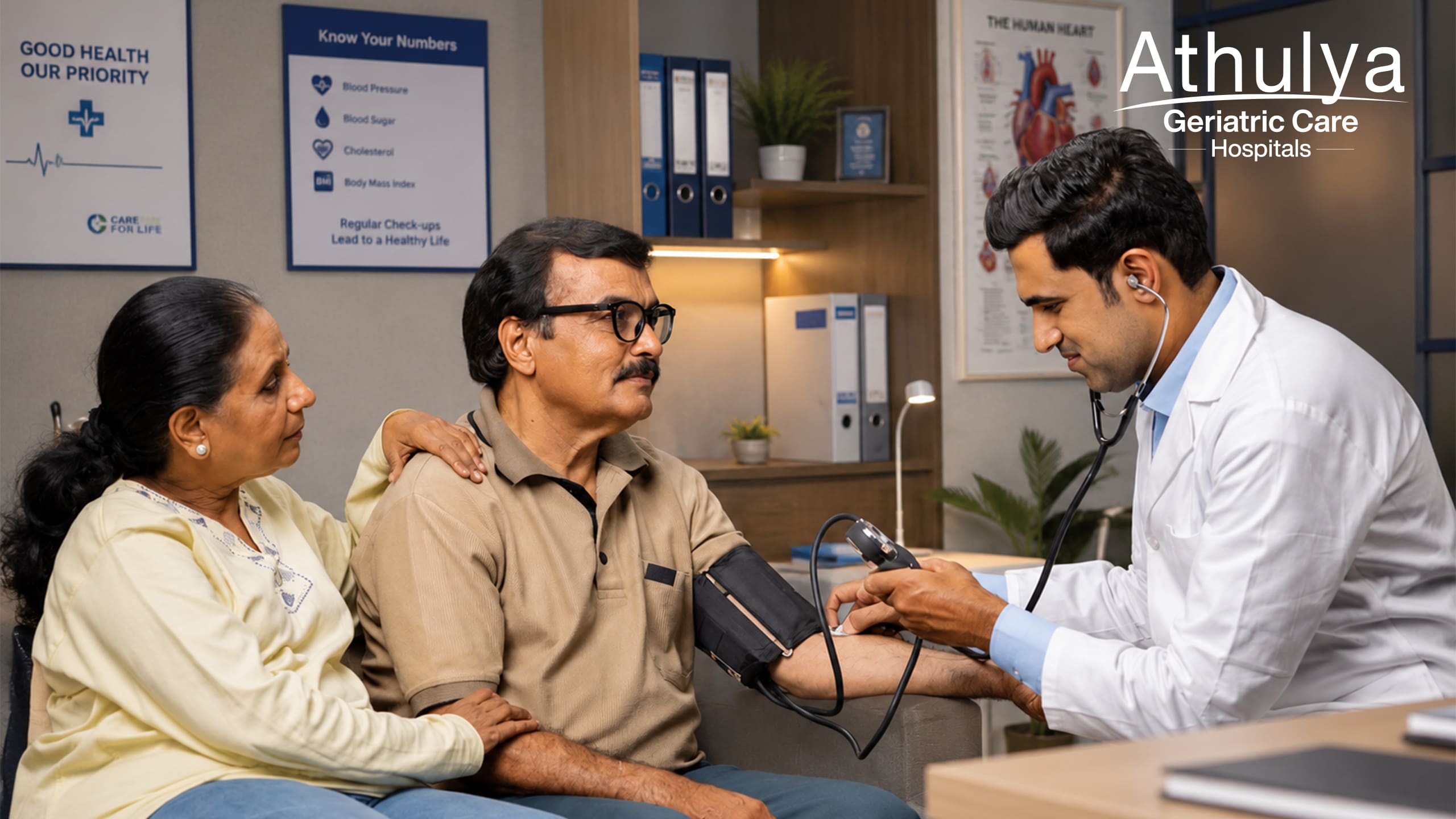
1. Blood Pressure Screening
High blood pressure is often called the “silent killer” because it usually has no obvious symptoms. If left untreated, it significantly increases the risk of heart attack, stroke, kidney disease, loss of vision.
Regular blood pressure monitoring helps detect hypertension early and allows timely lifestyle changes or medication.
2. Blood Sugar Screening
Diabetes is increasingly common among older adults. Uncontrolled diabetes can lead to blurred/loss of vision, nephropathy, neuropathy and cardiovascular diseases and non healing ulcers .
Routine blood sugar testing helps diagnose diabetes or prediabetes early, enabling effective management before complications develop.
3. Cholesterol and Lipid Profile
High cholesterol contributes to blocked arteries and increases the risk of cardiovascular disease.
A lipid profile measures cholesterol and triglyceride levels, helping doctors assess heart health and recommend preventive treatment if necessary.
4. Heart Health Evaluation
A comprehensive cardiac assessment may include:
- Electrocardiogram (ECG)
- Echocardiogram (when indicated)
- Stress testing (for selected patients)
- Cardiac consultation
Regular heart evaluations are especially important for seniors with diabetes, hypertension, obesity or a family history of heart disease.
5. Bone Health Assessment
Bone density naturally decreases with age, increasing the risk of osteoporosis and fractures.
A Bone Mineral Density (BMD) scan helps identify weakened bones before fractures occur and guides treatment to maintain bone strength.
6. Vision Examination
Age-related eye conditions such as cataracts, glaucoma, diabetic retinopathy and macular degeneration can affect vision gradually.
Annual eye examinations help preserve vision through early diagnosis and timely treatment.
7. Hearing Assessment
Hearing loss often develops slowly and may go unnoticed. Untreated hearing impairment can affect communication, emotional well-being and even cognitive health.
Routine hearing evaluations can improve quality of life through early intervention and appropriate hearing support.
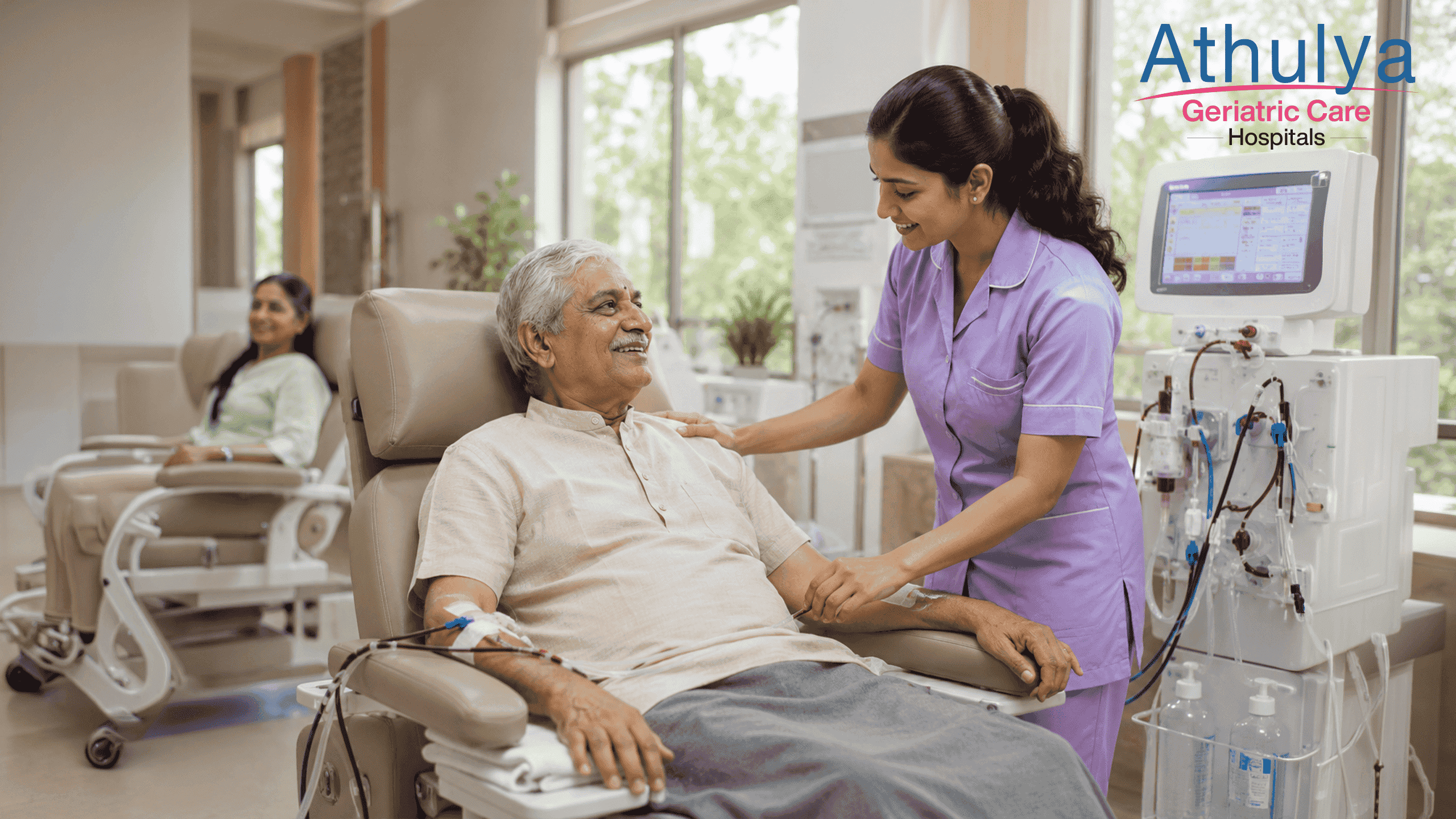
8. Kidney Function Tests
Kidney function naturally declines with age, particularly in individuals with diabetes or hypertension.
Simple blood and urine tests help detect kidney disease early, allowing timely management to slow progression.
9. Cancer Screening
Your doctor may recommend appropriate cancer screenings based on age, gender, family history and individual risk factors.
These may include:
- Breast cancer screening
- Cervical cancer screening
- Colorectal cancer screening
- Prostate evaluation
- Oral cancer screening
Early detection greatly improves treatment outcomes.
10. Cognitive Health Assessment
Memory changes are not always a normal part of ageing. Regular cognitive assessments can identify early signs of mild cognitive impairment, dementia or Alzheimer’s disease, enabling earlier intervention and better long-term care planning.
11. Mental Health Screening
Depression, anxiety, loneliness and sleep disturbances are common but often overlooked among older adults.
Mental health assessments support emotional well-being and improve overall quality of life.
12. Nutritional Assessment
Good nutrition plays a vital role in healthy ageing.
A geriatric nutrition assessment evaluates:
- Weight changes
- Muscle mass
- Dietary habits
- Vitamin deficiencies
- Hydration status
Personalized dietary advice helps seniors maintain strength, immunity and energy.
13. Mobility and Fall Risk Assessment
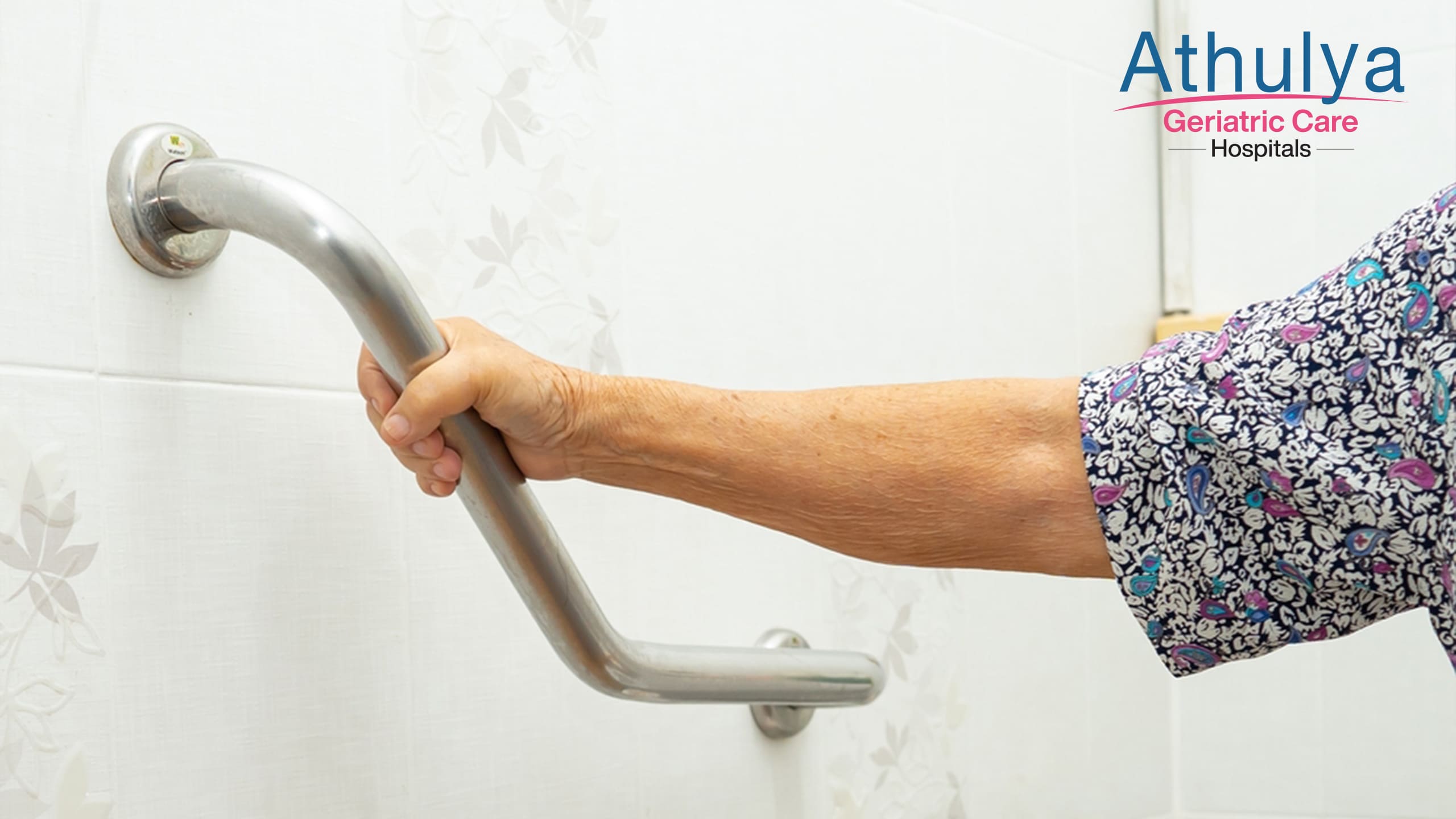
Falls are one of the leading causes of injury among older adults.
Physiotherapists assess:
- Balance
- Muscle strength
- Walking pattern
- Joint function
- Fall risk
Early intervention can significantly reduce the likelihood of falls and fractures.
14. Medication Review
Many seniors take multiple medications, increasing the risk of side effects and drug interactions.
A comprehensive medication review ensures that each medicine remains appropriate, effective and safe.
Vaccinations Every Senior Should Discuss with Their Doctor
Vaccination remains an important aspect of preventive healthcare after 60. Depending on individual health status and medical history, doctors may recommend vaccines for:
- Influenza (Flu)
- Pneumococcal disease
- Shingles
- Tetanus, diphtheria, and pertussis (Td/Tdap)
- COVID-19 and booster doses, when indicated
Keeping vaccinations up to date helps protect against infections that can lead to serious complications in older adults.
How Often Should Seniors Undergo Health Check-ups?
The frequency of health screenings depends on an individual’s medical history, age, existing health conditions and risk factors. While some tests may be recommended annually, others may require more frequent monitoring.
The Role of Comprehensive Geriatric Assessment
Unlike routine health check-ups, a Comprehensive Geriatric Assessment (CGA) evaluates the overall well-being of an older adult through a multidisciplinary approach.
It includes:
- Physical health evaluation
- Functional assessment
- Cognitive screening
- Emotional well-being
- Nutritional assessment
- Medication review
- Mobility evaluation
- Social support assessment
This holistic approach enables healthcare professionals to create individualized care plans that promote healthy ageing and preserve independence.
Tips for Seniors Before a Health Check-up
To make the most of your appointment:
- Carry previous medical records and test reports.
- Bring a list of all current medications and supplements.
- Share any recent symptoms, even if they seem minor.
- Discuss changes in sleep, appetite, mobility, memory or mood.
- Ask questions about preventive screenings and vaccinations.
- Consider bringing a family member or caregiver for support.
Healthy Ageing Begins with Prevention
Growing older does not necessarily mean becoming unhealthy. With regular preventive health check-ups, many age-related conditions can be identified early, managed effectively and in some cases, prevented altogether.
The goal of preventive healthcare is not simply to extend life but to improve its quality. Staying proactive about health empowers seniors to remain active, independent and confident while reducing the risk of serious medical complications.
At Athulya Geriatric Care Hospitals, our multidisciplinary team provides comprehensive preventive healthcare tailored to the unique needs of older adults. From routine screenings and geriatric assessments to specialist consultations, rehabilitation, nutrition and personalized care plans, we are committed to helping every senior enjoy healthier, happier and more independent golden years.
Frequently Asked Questions
1. Where can senior citizens get a comprehensive preventive health check-up in Chennai?
Senior citizens can choose specialized geriatric hospitals in Chennai, such as Athulya Geriatric Care Hospitals, for age-focused preventive health screenings and assessments.
2. What is included in a senior citizen health check-up package?
Most senior health packages include blood tests, heart screening, diabetes testing, kidney function tests, vision assessment and geriatric consultations.
3. Are preventive health check-ups available for elderly patients in Chennai?
Yes, several hospitals offer preventive screenings for seniors, including comprehensive geriatric assessments and chronic disease monitoring.
4. What is the best preventive health check-up hospital for senior citizens in Chennai?
A hospital with dedicated geriatric specialists, advanced diagnostics and personalized elderly care, such as Athulya Geriatric Care Hospitals, is an ideal choice.
5. What is the cost of a Comprehensive Geriatric Assessment (CGA) in Chennai?
The cost of a Comprehensive Geriatric Assessment varies depending on the evaluations required, such as cognitive, nutritional, mobility and specialist assessments.